


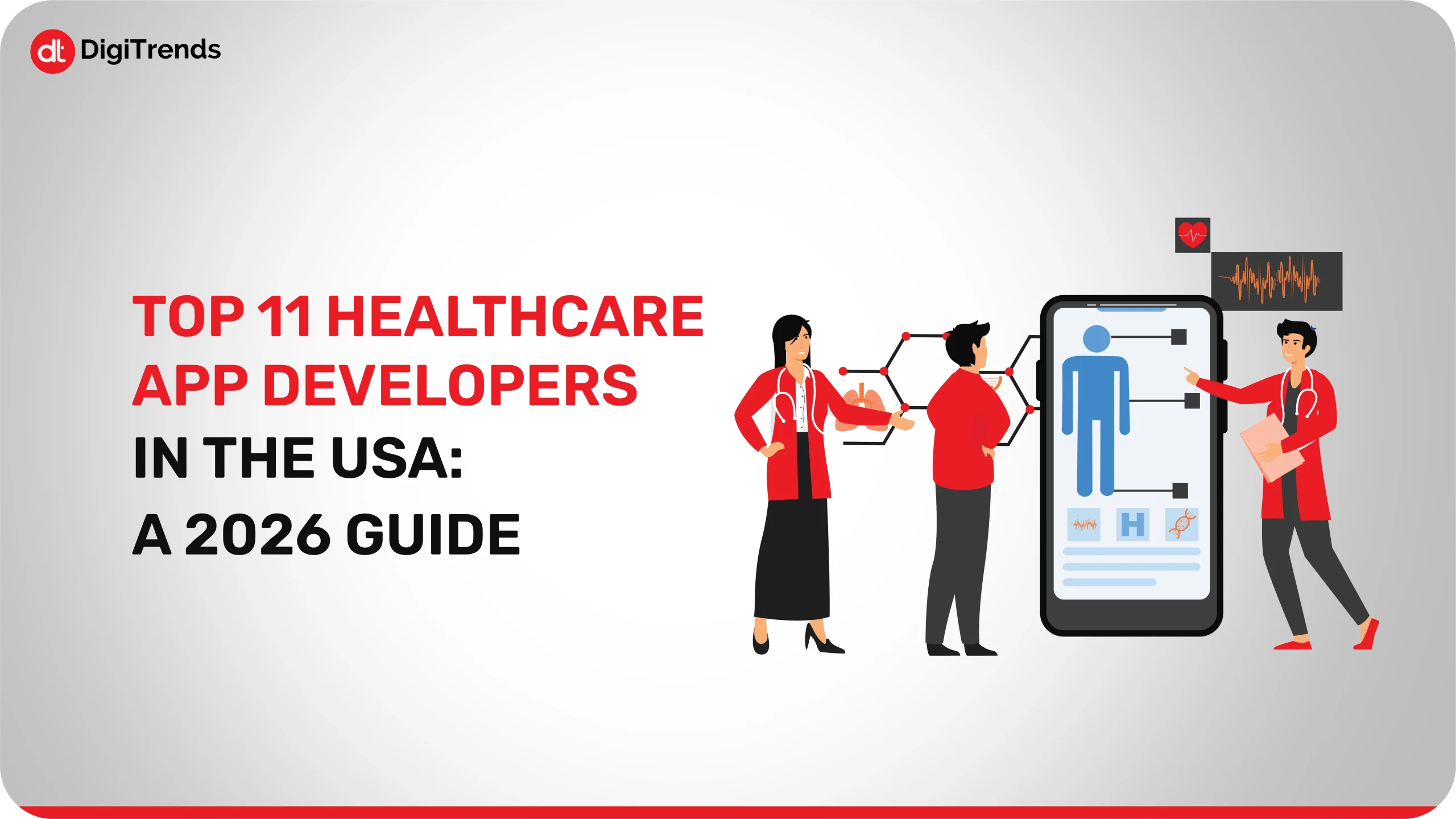
Top 11 Healthcare App Developers in the USA: A 2026 Guide
Have a look at the top 11 healthcare app developers in the USA in 2026 and what makes them stand out.
Continue Reading
We build AI-powered software solutions designed to transform your vision into powerful, results-driven applications.
Providing Avant-Garde Mobile App Solutions.
Powerful apps made for the Apple ecosystem
Scalable apps built for android
Single codebase apps that work across platforms
Efficient apps built using React Native
High-performance apps made using Flutter
Providing Bespoke Mobile Game Development Services.
Delivering Innovative And Avant- Garde AR Solutions.
Our VR Development Services Allow Interaction With Simulated Surroundings.
Customised mobile apps for your Shopify shopfront.
Web Development Services With A Stellar Record Of Excellence.
Providing Web Design Services For All Industries.
Offering Custom And Robust PWA Solutions.
Bespoke E-Commerce Solutions For All Industries.
An Exceptional Success Record In CMS Development Services.
Customised software solutions to match corporate requirements.
Providing Business With Bespoke MVP Development Solutions.
DigiTrends Produces Essential Custom Software Solutions.
Transforming Brands With Innovative Digital Marketing.
AI-Powered Solutions. Wide-Ranging Industries. From finance to healthcare, our intelligent technologies drive innovation across every sector.
Revolutionizing Financial Services with Innovative Technology Solutions
Developing digital software to upgrade healthcare
Innovating learning experience with technology
Helping you step up your advertisement game
Reshaping automotive business experiences with tech
Transforming Real Estate with digital solutions
Digitalizing hospitality management with e-solution
Transforming the retail industry for with digital transformation
Transforming data into intelligent insights that drive innovation across multiple industries.
Delivering exceptional services across different cities, innovating here; and thriving everywhere!

Seek exceptional mobile app development in Delaware.
Where creativity and tech unite for innovation.
Seek advanced mobile app development in LA.
Unleash your business with our innovative mobile apps
Step into Austin’s mobile innovation hub.
Each business is unique; tailored approaches for all.
Leaders of mobile app development in Saudi Arabia
Meet the best app developers in Dubai
Meet the Nordik mobile development experts

 12 March 2026
 3 weeks ago
 114 Views


If we think about a few years ago, it was rather easy to enter the app market and get users to download your app. Things have changed now as the competition has increased and become a lot harder. According to research, over 5 million apps are now competing to gain attention for their apps on the largest platforms.
If you are someone who has spent thousands on developing an app and got only a few downloads, don’t consider yourself alone, as 90% are used once and are never accessed by users ever again.
The reason?
Well! The reason is simple: the marketing lacks factors that can drive downloads and make the users stay. Mobile apps cannot be marketed through old techniques, which include basics like generic ad campaigns and basic SEO strategies. These are the old ways that do not work anymore in this era of next-level personalization.
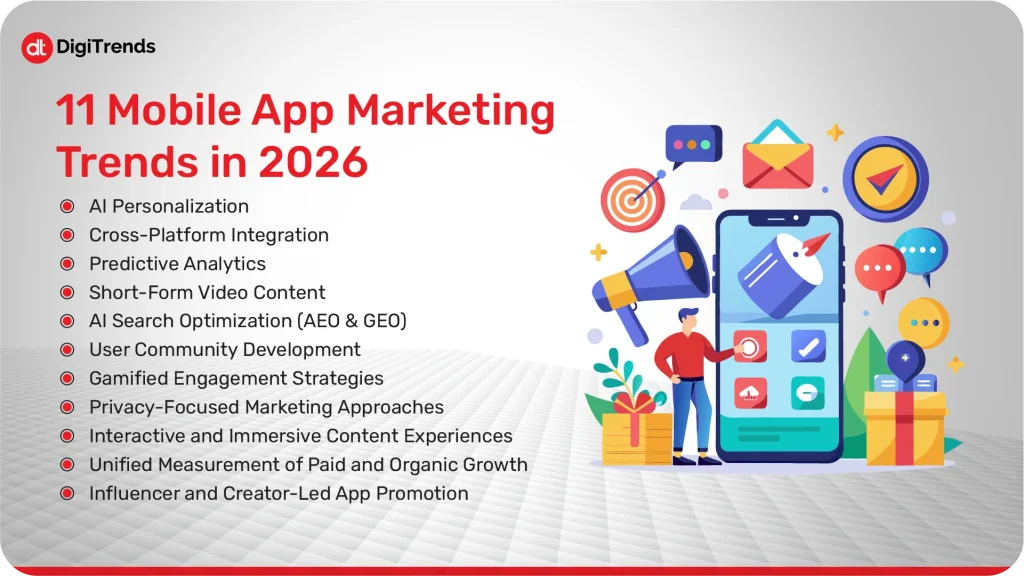
If you want to market your app, it is time to up your game with strategies like AI-personalization, short-form video content, gamified marketing, and more. Let’s explore the mobile app marketing trends in 2026 that are important for an app to grow in this market.
User behavior has evolved a lot in the past few years; they now expect apps to understand their preferences, protect their privacy, and provide seamless experiences across devices.
To match the needs of the users, there are new technologies that can be leveraged, such as artificial intelligence and predictive analytics. The use of these technologies is changing the way businesses approach marketing.
If you wish to stay competitive amongst all the other competitor apps, then you need to adapt to the strategies that are shaping app growth today. Let’s have a look at the latest mobile app marketing strategies you can use in 2026.
Personalization, lately, has become one of the most important factors of marketing, including mobile app marketing. This is because user expectations have changed with time; they now expect apps to show them content that matches their interests rather than some generic recommendations.
This is where artificial intelligence comes in.
AI can help you analyze user behavior such as clicks, searches, and time spent in the app. Based on the data gathered by AI, apps can automatically recommend users with products, features, and content to users that they engage with the most and would prefer to see more of. This way, the user experience turns into a whole personalized experience, which also increases customer loyalty.
This is the approach you can take for your mobile app marketing to improve the user experience while also increasing conversions. When people feel that an app understands their needs, they stay loyal to it and continue using it for the long term.
Today’s users do not stick to one device; their addiction makes them switch between their devices constantly. If we think about it, most of us switch devices when the other device is on charge, or some are even used to using iPads and laptops, hence, they frequently switch from their phones to big screens. Looking at these habits, it is safe to say that nowadays, a person might start an activity on their phone, continue it on their laptop, and finish it later on a tablet.
This is why you should include cross-platform integration in your mobile app marketing strategy because it will ensure that the user experience remains consistent across all devices. Data, preferences, and saved content move with the user instead of being restricted to one platform.
For app marketers, this means creating marketing messages that remain consistent across different channels. When the experience feels smooth everywhere, users are more likely to stay engaged with the app.
Predictive analytics is one of the most useful tools for marketers looking to offer their users an experience that is highly personalized. Predictive analytics helps businesses understand what users might do next based on their past behavior. By studying patterns in user data, apps can identify when someone is likely to stop using the app or when they may be ready to make a purchase.
This insight allows marketers to take action before a user becomes inactive. For example, apps can send reminders, personalized offers, or helpful recommendations at the right moment.
Instead of reacting to problems after they happen, predictive analytics helps companies make smarter decisions in advance.
As a marketer, you must be aware of the fact thatshort-form video content has been capturing the most attention online. Be it Facebook, TikTok, or Instagram, users love to see short reels. We’ve even got YouTube shorts now, as the attention span of the users is lower than the seabed nowadays.
For mobile apps, short-form videos are an effective way to demonstrate features, share tutorials, and highlight real user experiences. A short video can explain the value of an app much faster than a long description.
Because these videos are quick and easy to watch, they are also more likely to be shared, helping apps reach larger audiences.
Search behavior is evolving as more people rely on AI assistants and conversational search. Instead of typing short keywords, users now ask full questions when searching for apps or solutions.
Answer Engine Optimization (AEO) and Generative Engine Optimization (GEO) focus on structuring content in a way that AI systems can easily understand and recommend.
Apps that provide clear, helpful, and structured information are more likely to appear in AI-driven search results. As AI-powered search becomes more common, optimizing for these systems will become an important marketing strategy.
Community building is a tactic that every marketer is tapping into as users nowadays react more to shared experiences, relatability, and community-driven experiences. They are more attracted to community building than static advertising.
You can create communities like discussion forums, social groups, or in-app features that will allow users to connect. When people feel part of a community, they become more loyal to the product.
These communities also generate valuable feedback and user-generated content that can strengthen marketing efforts.
Gamification adds game-like elements to everyday app experiences. Features such as points, achievements, progress tracking, and rewards encourage users to stay active, as they give them a drive to perform and compete.
These elements make the experience more engaging and give users a sense of progress. Many fitness, learning, and productivity apps use gamification to motivate people to continue using the app.
When users feel rewarded for their actions, they are more likely to return regularly and stay committed to the platform.
Privacy has become a major concern for digital users. People want to understand how their data is being collected and how it will be used.
As a result, companies are moving toward privacy-focused marketing strategies. This means collecting only necessary information and being transparent about how it is used.
Apps that clearly communicate their privacy practices are more likely to gain user trust. Trust plays a key role in long-term engagement and customer loyalty.
Interactive content can be one of the most powerful tools for marketers as it helps improve the user experience. Your users get to explore the features of the app through engaging formats instead of just reading about the features.
Some brands use augmented reality demonstrations, interactive product previews, or mini experiences within advertisements. These formats allow users to see the value of the app more memorably.
Immersive experiences make marketing campaigns more engaging and help brands stand out in a crowded digital space.
Many companies used to measure paid marketing and organic growth separately. However, modern app marketing requires a more complete view of performance.
Marketers now analyze paid campaigns, organic installs, referrals, and social traffic together. This approach helps them understand where their most valuable users are coming from.
By combining these insights, businesses can allocate their marketing budgets more effectively and focus on strategies that deliver long-term growth.
Influencer marketing has become a powerful tool for app discovery. Creators often have highly engaged audiences who trust their recommendations.
When influencers demonstrate how an app works or explain its benefits, it feels more authentic than traditional advertising. Tutorials, reviews, and everyday usage videos help potential users understand the app’s value.
This approach can introduce apps to new audiences while also building credibility through trusted voices.
By adopting these mobile app promotion strategies, businesses can improve how they attract users, increase engagement, and build lasting relationships with their audience. Companies that stay flexible and continue experimenting with new marketing approaches will be in a much stronger position to succeed in the competitive app market of 2026.
Following mobile app marketing trends isn’t just a simple road that you can take; let’s just say that this road is bumpy, and you can make several mistakes on the way. But don’t worry, we are here to tell you exactly what common mistakes people make with mobile app marketing trends so you can avoid them. Let’s have a look.
Many businesses make the mistake of measuring their success by looking at the number of downloads for their app. We won’t say the downloads aren’t important, but they are not the only important part, and we cannot guarantee long-term growth with them either.
Think about how many times you have installed an app that you never used after going through it once; it just lies there somewhere in the phone. This is why engagement, retention, and in-app activity are much more meaningful indicators of success.
This is the reason why marketers should focus on building strategies that keep users active rather than simply attracting new installs.
Your app store listing acts as your digital storefront. If it is not optimized properly, potential users may never discover your app.
Poor screenshots, unclear descriptions, and weak keyword strategies can significantly reduce visibility on platforms like the Google Play Store and the Apple App Store. A strong App Store Optimization strategy helps improve rankings, increase organic traffic, and encourage more downloads.
The first few moments after a user downloads an app are critical. If the onboarding process is confusing or takes too long, users may leave before they understand the value of the product.
A good onboarding experience should clearly explain the app’s main features and benefits. Simple tutorials, guided steps, and easy navigation can help new users feel comfortable and encourage them to continue using the app.
Another common mistake is marketing the app to a broad audience without clearly defining who the app is actually built for.
Different users have different needs, behaviors, and expectations. Without proper research and audience segmentation, marketing messages may fail to connect with potential users. Successful campaigns are built around a deep understanding of the target audience and their preferences.
Some companies launch a marketing campaign when the app is released and then stop investing in promotion afterwards. However, app marketing should be a continuous process.
User behavior, competition, and technology trends constantly change. Regular testing, performance analysis, and campaign adjustments are necessary to maintain growth. Apps that consistently refine their marketing strategies are more likely to stay competitive in the long run.
By avoiding these common mistakes, businesses can create stronger marketing strategies that attract the right users, improve engagement, and build long-term success for their mobile applications.
Getting users to discover your app is becoming one of the biggest challenges in mobile marketing. With millions of apps competing for attention on platforms like Google Play Store and Apple App Store, visibility is no longer guaranteed just because an app exists.
In 2026, discovery is shifting beyond traditional keyword optimization. App stores are becoming smarter, using AI, user behavior signals, and engagement metrics to determine which apps deserve visibility. This means downloads alone are no longer enough to influence rankings. Metrics like retention rate, in-app engagement, reviews, and user satisfaction are playing a much larger role.
Another important shift is the way users search for apps. Instead of browsing categories, many users now rely on recommendations, AI search results, and social platforms to discover new apps. This makes your discovery strategy broader than just optimizing your store listing.
Growing a mobile app requires more than a great idea or a well-built product. It requires a strong marketing strategy that helps the app reach the right audience, gain visibility, and keep users engaged over time. At DigiTrends, digital marketing services are designed to help businesses turn their mobile apps into scalable growth platforms through data-driven strategies and creative campaigns.
The team combines performance marketing, content strategy, social media marketing, and advanced analytics to build campaigns that focus on measurable results. From improving app visibility on platforms like the Google Play Store and the Apple App Store to creating engaging digital experiences that attract and retain users, DigiTrends works closely with businesses to develop strategies tailored to their goals.
By combining technology, marketing expertise, and user insights, DigiTrends helps brands navigate the evolving digital landscape. The focus is not just on increasing downloads but on building meaningful user engagement, improving retention, and creating sustainable long-term growth for mobile applications.

Mobile app marketing is evolving quickly, and businesses can no longer rely on traditional promotion strategies alone. With millions of apps competing for attention on platforms like the Google Play Store and the Apple App Store, success now depends on how well brands understand user behavior and adapt to emerging technologies.
The trends shaping 2026 highlight a clear shift toward smarter, more user-focused marketing approaches. From AI-driven personalization and predictive analytics to privacy-focused strategies and community building, mobile app marketing is becoming more data-driven and experience-focused. Businesses that adopt these strategies can attract the right users, create meaningful engagement, and improve long-term retention.
As competition continues to grow, companies that stay informed about industry trends and continuously refine their marketing strategies will be better positioned for success. By combining innovative technology with a clear understanding of user needs, brands can create mobile apps that not only gain downloads but also build lasting relationships with their users.
Have a look at the top 11 healthcare app developers in the USA in 2026 and what makes them stand out.
Continue Reading

Explore an effective roadmap for custom application development that leaders need to understand, plan, and implement.
Continue Reading

Explore what Proof of Concept (PoC) in software development is, how it benefits teams in making better decisions, and how it works.
Continue Reading

Explore which delivery app pays the most in 2026 and how the top platforms combine smart technology and incentives to keep drivers earning more.
Continue Reading
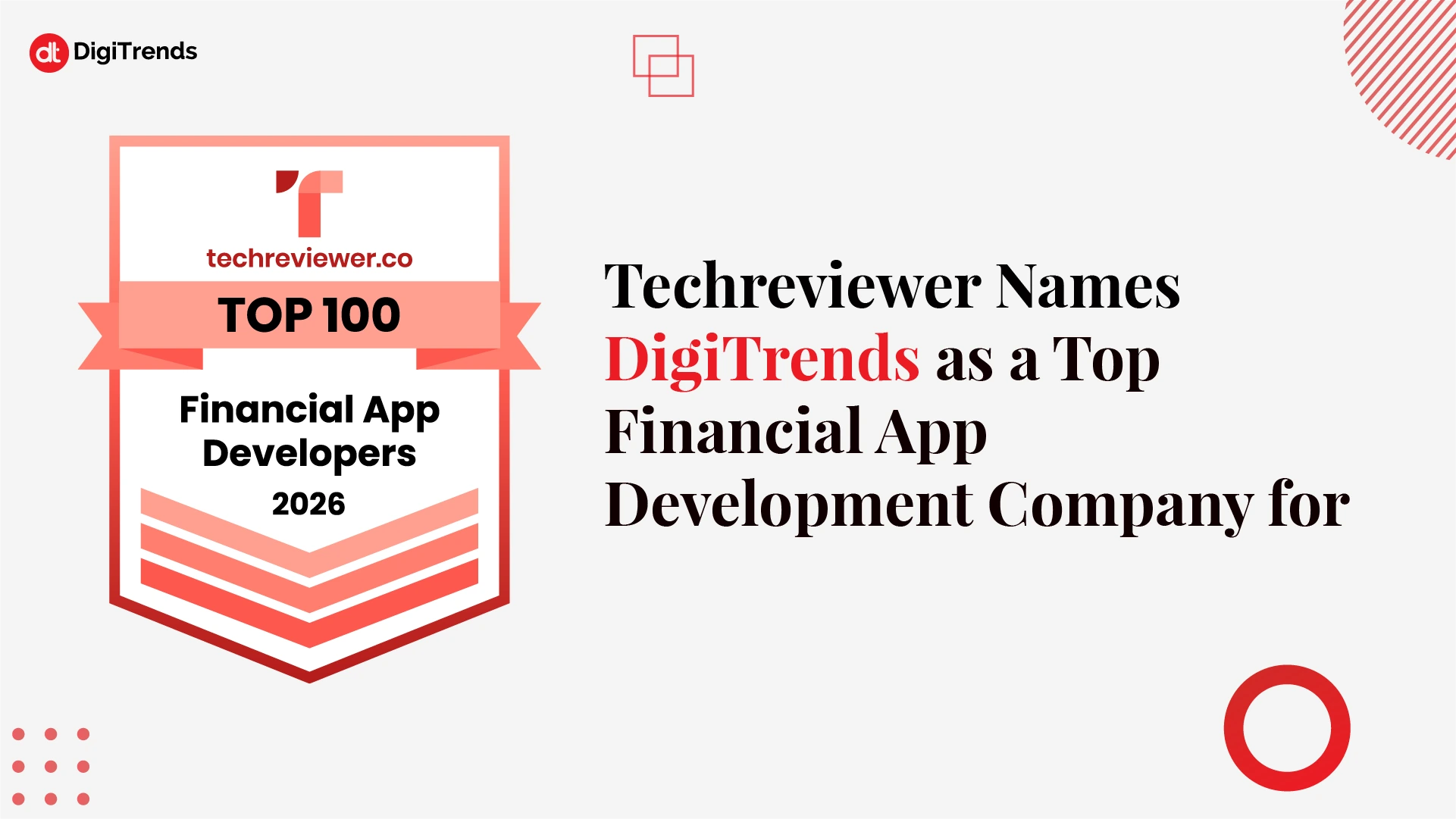
DigiTrends has been officially recognized by Techreviewer.co as one of the Top Financial App Development Companies for 2025.
Continue Reading
Have a look at the top 20 best offline music apps with which you can enjoy your music without any issues.
Continue Reading