


Top 11 Healthcare App Developers in the USA: A 2026 Guide
Have a look at the top 11 healthcare app developers in the USA in 2026 and what makes them stand out.
Continue Reading
We build AI-powered software solutions designed to transform your vision into powerful, results-driven applications.
Providing Avant-Garde Mobile App Solutions.
Powerful apps made for the Apple ecosystem
Scalable apps built for android
Single codebase apps that work across platforms
Efficient apps built using React Native
High-performance apps made using Flutter
Providing Bespoke Mobile Game Development Services.
Delivering Innovative And Avant- Garde AR Solutions.
Our VR Development Services Allow Interaction With Simulated Surroundings.
Customised mobile apps for your Shopify shopfront.
Web Development Services With A Stellar Record Of Excellence.
Providing Web Design Services For All Industries.
Offering Custom And Robust PWA Solutions.
Bespoke E-Commerce Solutions For All Industries.
An Exceptional Success Record In CMS Development Services.
Customised software solutions to match corporate requirements.
Providing Business With Bespoke MVP Development Solutions.
DigiTrends Produces Essential Custom Software Solutions.
Transforming Brands With Innovative Digital Marketing.
AI-Powered Solutions. Wide-Ranging Industries. From finance to healthcare, our intelligent technologies drive innovation across every sector.
Revolutionizing Financial Services with Innovative Technology Solutions
Developing digital software to upgrade healthcare
Innovating learning experience with technology
Helping you step up your advertisement game
Reshaping automotive business experiences with tech
Transforming Real Estate with digital solutions
Digitalizing hospitality management with e-solution
Transforming the retail industry for with digital transformation
Transforming data into intelligent insights that drive innovation across multiple industries.

Delivering exceptional services across different cities, innovating here; and thriving everywhere!

Seek exceptional mobile app development in Delaware.
Where creativity and tech unite for innovation.
Seek advanced mobile app development in LA.
Unleash your business with our innovative mobile apps
Step into Austin’s mobile innovation hub.
Each business is unique; tailored approaches for all.
Leaders of mobile app development in Saudi Arabia
Meet the best app developers in Dubai
Meet the Nordik mobile development experts

 16 December 2025
 4 months ago
 157 Views


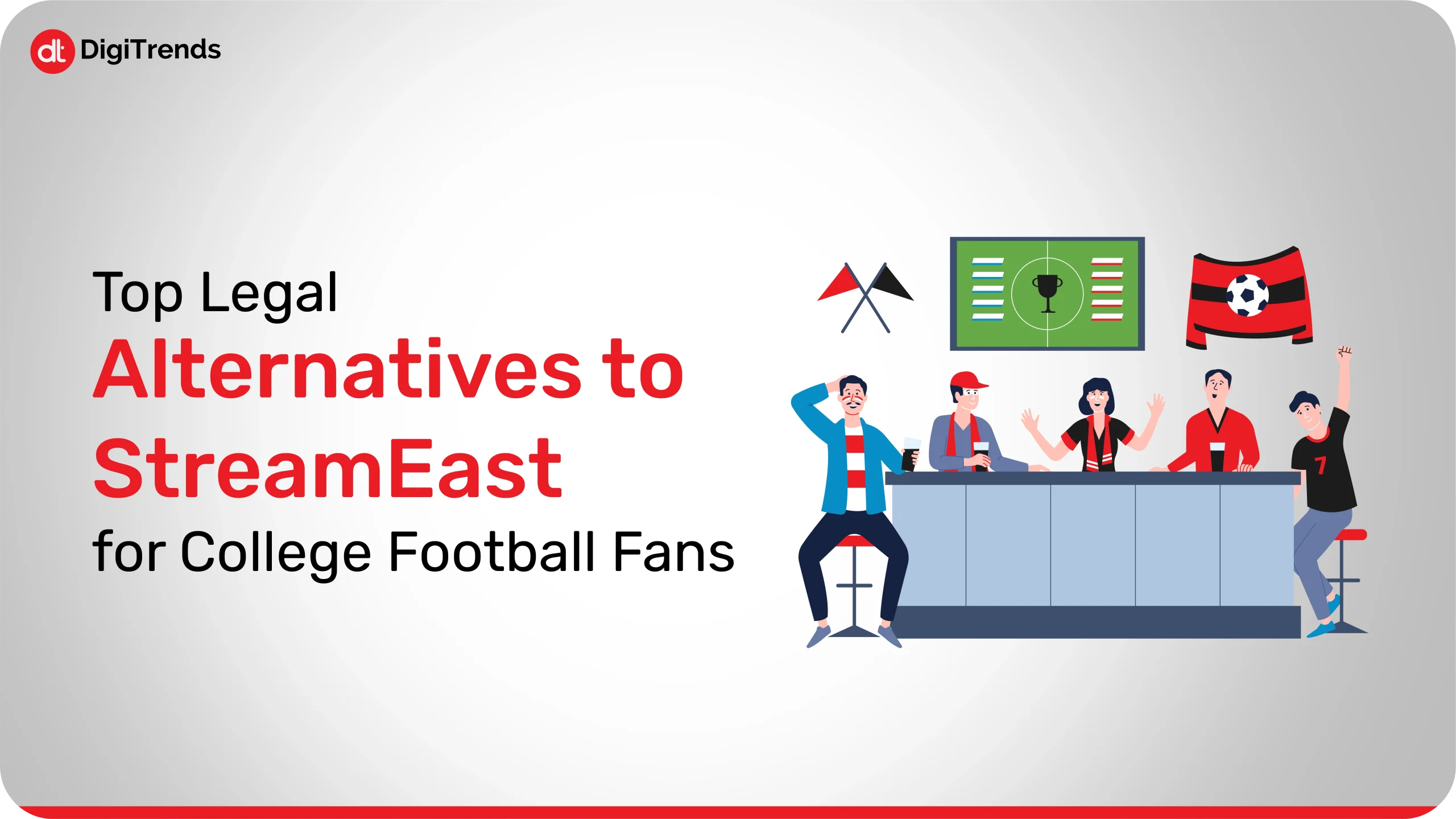
Imagine it’s Saturday, the kickoff countdown has started, and your group chat is constantly buzzing with links. Someone finally drops a link to StreamEast.
This has been the ritual for many years; people find StreamEast as the easiest shortcut to watch big games without any second thoughts. From StreamEast live links to last-minute searches for StreamEast college football, this platform is all over social media because fans chose this when cable was overpriced and inconvenient for them.
So, what’s the issue?
The issue is that due to sudden outages, sketchy redirects, and growing legal pressure, relying on StreamEast.io was not a safe option, and it had to be taken down. Think about it, you wouldn’t want to be in the perfect moment of watching the most crucial part of a match with all your favorite snacks, and the streaming site shuts down. Whether you’re hunting for StreamEast CFB streams or trying to follow the full StreamEast NCAA slate, the experience is anything but reliable, as there is no surety that it’s safe and legal.
And we believe college football fans do not deserve a streaming site that buffers or has broken links, which is why we have researched the best alternatives to StreamEast for college football, where you won’t have to choose between missing the game or watching it on illegal streaming links.
Explore the top legal alternatives that actually deliver crisp streams, full coverage, and peace of mind, so you can focus on the game, not the link.
One thing that made StreamEast a popular choice for all football fans was how accessible it made live sports. It became a familiar name amongst college football fans when games stacked up across conferences and time zones, and StreamEast allowed them to access one browser, search for StreamEast college football, and easily find a working stream within minutes. They didn’t have to go back and forth between too many links to find the one that works.
The platform has a single interface where unofficial live feeds are available from various sources. No account creation was needed, no payment prompts; college football fans accessed the live feed in just a few clicks. This is the kind of experience that made StreamEast a popular platform for students as well as casual fans.
However, the fans had to pay the cost of this ease and convenience by having to watch games on an unstable stream, with aggressive ads, and pop-ups that couldn’t be avoided. The streams were also operated without any legal broadcast agreements, so there was always a risk of the stream ending before the fourth quarter. Even if you are not a college football fan, you might be able to relate to this because we all have tried watching live TV shows or matches on these illegal streaming platforms and have experienced the same blockers.
Platforms like StreamEast fell under very strict scrutiny when conference realignments expanded coverage and networks locked down digital rights. These platforms might sound like smart moves, but in reality, they are a very unreliable and risky game.
The shortest answer to this question is that the world revolves around rights and regulations.
We all know that live sports broadcasting is an area that is strictly controlled by the digital media. Networks, channels pay billions to gain exclusive streaming rights to matches, especially NCAA games. Illegal platforms and sites like StreamEast do not have the official rights to broadcast live sports, and when they create illegal streams, they violate the copyright laws, which cannot be taken lightly.
StreamEast was working fine for years without any legal action being taken against it, but with time, enforcement caught up and brought the platform into risky waters.
The platform was pressured through domain takedowns, ISP blocking, and legal actions, due to which the platform became mostly unavailable. Users began to notice these problems occurring through broken links and mirror sites. When they used to search for StreamEast live, it started giving out clones, copycats, or weird redirects that looked exactly like the platform but were not the same.
This is exactly where risks increased because users were being directed to unofficial bundled streams that showed malicious ads or tracking scripts. Pop-up issues are sometimes manageable, but being redirected to suspicious streams is a security concern, especially for people who watch matches on personal laptops or shared devices.
When we say shutdown, it does not mean that the platform was taken down in a day; the reality is that the platform slowly disappeared with signs like unstable access and unreliable coverage of StreamEast NCAA games. When fans noticed these things, they started to look for alternative options.
People assume that college football fans turn to these sites because they don’t wish to pay for subscriptions. But that is not the case; they watch games on these platforms because of the broken market.
Just take a look at this scenario as a college student. One service provides access to SEC games, another one offers Big Ten matchups, and some other holds exclusive rights to certain bowls. So, by the time the game season ends, fans are sitting with a subscription to 3-4 platforms just to stay updated about their team.
In the words of a college student, “The math is not mathing”.
This is because these monthly costs can add up to be a burden for students, and canceling and then again resubscribing becomes a chore for them. No one wants to miss an important game just because they were on the wrong platform.
This is the disturbance in game streaming due to which platforms like StreamEast were born and thrived. But as of now, StreamEast.io and any similar sites are highly unreliable, and fans have realized the risk involved with them, too, so now they expect something better from legal providers like clarity, coverage, and value.
So, here is the good news: the market is responding well to these expectations.
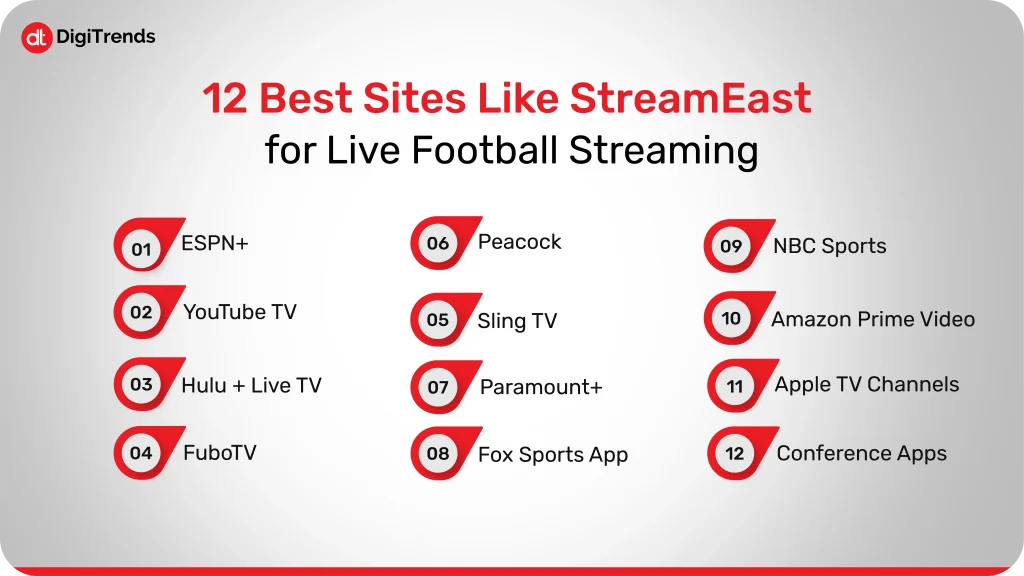
Let’s have a look at the legal and reliable alternatives that cover college football without the risks associated with unofficial platforms.
| Platform | Key Coverage | Best For |
| ESPN+ | NCAA, bowls, exclusive games | Hardcore college fans |
| YouTube TV | Major networks, DVR | All-in-one streaming |
| Hulu + Live TV | ESPN, ABC, FOX | Entertainment + sports |
| FuboTV | College football heavy | Sports-first viewers |
| Sling TV | Budget-friendly | Cost-conscious fans |
| Peacock | Select NCAA games | Big Ten followers |
| Paramount+ | CBS college games | SEC fans |
| Fox Sports App | Big Noon Kickoff | FOX matchups |
| NBC Sports | Regional coverage | Conference games |
| Amazon Prime Video | Select sports | Casual viewers |
| Apple TV Channels | Add-on networks | Custom bundles |
| Conference Apps | Team-specific games | Die-hard supporters |
Unlike StreamEast, these platforms offer stable streams, customer support, and legal peace of mind. Most also include DVR options, mobile access, and multi-device support.
Let’s shift our conversation towards the demand for sites like StreamEast today.
The demand for sites like StreamEast is not dead because the factors that contributed to its demand are still alive. People are now simply looking for a better version of it, which is legal. Fans still crave a centralized platform where they can easily access live games, but now they also demand intuitive interfaces and flexible viewing options that let them follow every kickoff, rivalry, and bowl game without juggling multiple subscriptions. The challenge for creators and providers is to meet the expectations of fans while complying with all the regulations.
If you are thinking of building a sports streaming platform, then you won’t need unofficial streams to succeed. Platforms like ESPN+, YouTube TV, FuboTV, and Hulu + Live TV have proved that if you provide users with convenience, quality, and security, they will not hesitate to pay.
What you need to understand is that you’ll have to create a good combination of content strategy and user-friendly design. And then comes the most important part: you’ll have to get proper licensing agreements with conferences and networks, so you can offer the coverage fans want, including full StreamEast college football schedules, playoff games, and select StreamEast NCAA events.
Beyond licensing, the focus should be on experience. Fans expect fast, stable streams across devices, personalized notifications, DVR options, and an interface that makes finding games effortless. Unlike the inconsistent StreamEast CFB links or StreamEast live mirrors, a legally built platform can deliver peace of mind along with high-quality streaming.
In essence, building the “next StreamEast” means taking the best parts of what fans loved, centralized access, simplicity, and flexibility, and pairing them with the reliability, security, and legal compliance that professional streaming services provide. What truly matters is execution: designing a platform that combines broad coverage, intuitive navigation, and seamless streaming into one experience that keeps fans coming back every Saturday.
If you are looking to choose a replacement for StreamEast for sports live feed, don’t make a decision based on price only, because it is also about the experience.
Start by considering coverage. Make sure your preferred conferences and time slots are included. Then take a look at what the streaming quality is like, does it buffer or not, because when the sites are legal, the stream does not buffer a lot as legal platforms invest heavily in infrastructure.
The next step would be checking device compatibility. The platform should be able to support all types of devices, such as phones, tablets, smart TVs, and laptops. Finally, you will have to consider the flexibility of payment plans. This is an important factor to consider because you wouldn’t want to pay for the entire year if you only want to watch the football season.
There was a time when football fans used to rely on streaming platforms like StreamEast, but they now care more about reliability than having a shortcut. That’s the shift that has changed the entire dynamic of the market.
Building a platform inspired by Streameast doesn’t mean copying it. It means understanding what users value and improving on it.
Key components include:
You’ll also need a strong backend architecture to handle traffic spikes during rivalry weekends and playoff games. Unlike unofficial sites, there’s no room for crashes when thousands of users tune in simultaneously.
Security, compliance, and performance aren’t optional. They’re foundational.
Costs vary based on scope, but here’s a realistic breakdown:
| Component | Estimated Cost USD |
| UI/UX Design | $15,000 – $30,000 |
| App Development | $60,000 – $120,000 |
| Backend & Streaming | $40,000 – $80,000 |
| Licensing & Legal | Variable |
| Maintenance | Ongoing |
Legal streaming platforms are not like StreamEast; they require users to pay up front, but there are also many options for monetization through subscriptions, ads, and partnerships.
Planning your budget is the most important thing if you are looking to build an app like StreamEast.
It is important to start with a focus on one sport or conference at the start. You can choose to start with only the basic and required features, then, when the demand rises, you can add more features and functionalities. If you try to copy the exact StreamEast NCAA coverage from day one, it can be expensive and risky.
This is where execution meets experience.
DigiTrends is an expert in designing, developing, and scaling various types of web platforms that are legally compliant. From architecture planning to UI design and performance optimization, the focus stays on building products that fans actually enjoy using.
The era of risky links and broken streams is ending. What replaces it will be built by teams who understand both technology and fan behavior.
And that’s the real legacy of StreamEast. It showed what fans want. Now it’s time to build it the right way.
College football fans have always chased one thing: easy access to the games that matter. For a long time, unofficial platforms filled that gap, not because they were perfect, but because the legal options felt scattered and expensive. That gap is closing now.
Today’s streaming landscape offers real choices. Reliable coverage, consistent quality, and platforms that won’t disappear mid-season. Fans no longer have to trade peace of mind for convenience, and builders no longer have to rely on shortcuts to create something people love using.
What this really means is simple. The future of college football streaming belongs to platforms that respect fans, respect the game, and are built to last. Whether you’re choosing where to watch or planning what to build next, the path forward is clearer, smarter, and far more sustainable than it used to be.
Have a look at the top 11 healthcare app developers in the USA in 2026 and what makes them stand out.
Continue Reading
Explore the mobile app marketing trends in 2026 that are important for an app to grow in this market.
Continue Reading

Explore an effective roadmap for custom application development that leaders need to understand, plan, and implement.
Continue Reading

Explore what Proof of Concept (PoC) in software development is, how it benefits teams in making better decisions, and how it works.
Continue Reading

Explore which delivery app pays the most in 2026 and how the top platforms combine smart technology and incentives to keep drivers earning more.
Continue Reading
DigiTrends has been officially recognized by Techreviewer.co as one of the Top Financial App Development Companies for 2025.
Continue Reading